venerdì 30 ottobre 2015

Underrated Actors

Have you ever had an amazing but useless talent? 
I actually have one: I recognize great actors at first sight.
I can’t really know how to prove it but I can make a good example (and I have many, I swear!): back in 1986, when people asked me who my favourite actor was, I used to reply Daniel Day Lewis. The subsequent question, inevitably, was: Daniel who??! It was not until he became the last of the Mohican that people started to recognize him, while I personally thought he was already absolutely astonishing as Cecil Vise in A Room with a View
I just knew, from the way he was hiding behind that unbearable and irresistible character, that this guy was meant for greater things. 3 Oscars for best performing actor afterwards I think I was proved right. 
The problem is that, unfortunately, not always the great actors I spot have the career they deserve. This is, of course, a big injustice and so I decided to let you know who are the 5 great actors (in alphabetical order) who should be VERY FAMOUS… but are not...YET! 
Aidan Gillen (Dublin, Ireland, 1968) 

Spotted for the first time in Some Mother’s Son (1996) by Terry George, where he played one of the IRA hunger strikers, and then in Mojo (1997) by Jez Butterworth, Gillen has revealed his incredible potential playing the politically incorrect and irresistible motherfucker Stuart Alan Jones in the British version of Queer as Folk (2000) by Russell T. Davies. Since then, Gillen has played in some remarkable TV series (he was Mayor Tommy Carcetti in The Wire and now he’s Petyr ‘Littlefinger’ Baelish in Game of Thrones), in some very good indie movies: Treacle Jr., Mister John, Still, You're ugly too, or in very small roles in major movies. Somebody should finally cast him for a great film in a great role. 
It would be about time!

John Lynch  (Corrinshego-Newry, Northern Ireland, 1961)
The oldest of the group and the one I am more attached to: Irish actor John Lynch didn’t have AT ALL the career he deserved (and now it’s probably too late, damn it!). His first movie was Cal (1984) by Pat O’Connor, already a remarkable beginning, then he worked with Derek Jarman in Edward II (1991), he was one of the Guilford Four in In the name of the father (1993) by Jim Sheridan, he won many awards for his role in the Australian movie Angel Baby (1995) by Michael Rymer and for playing Bobby Sands (long before Michael Fassbender) in Some Mother’s son (1996) by Terry George. He was the unfaithful boyfriend of Gwyneth Paltrow in Sliding Doors (1998) by Peter Howitt and he wrote and played the main role, the one of his idol, Northern Irish footballer George Best, in Best (2000) by Mary McGuckian. After 15 years of forgettable TV series and minor roles in minor movies, he finally found a role at his level, in the amazing TV series The Fall, where he gives to policeman Jim Burns all the ambiguity and the vulnerability he is capable of. Pity this kind of character didn’t come before. 
I swear I should have been his agent.

Ben Mendelsohn (Melbourne, Australia, 1969) 
Under the spotlight since his great role in that gem called Animal Kingdom by David Michôd (2010), Mendelsohn is one of those actors capable of stealing the scene even in a small role. This was the case in The place beyond the pines (2012) by Derek Cianfrance, Killing them softly (2012) by Andrew Dominik, Lost River (2014) by Ryan Gosling and Black Sea (2014) by Kevin MacDonald. For the time being, besides the Michôd movie, two are the roles that gave him the chance to show what he is capable of: the tough father in Starred Up by David Mackenzie (2013) and the bad brother in the Netflix TV series Bloodline (2015). No one plays ambiguous villains like he does.
Let's hope his real breakthrough is not far away...
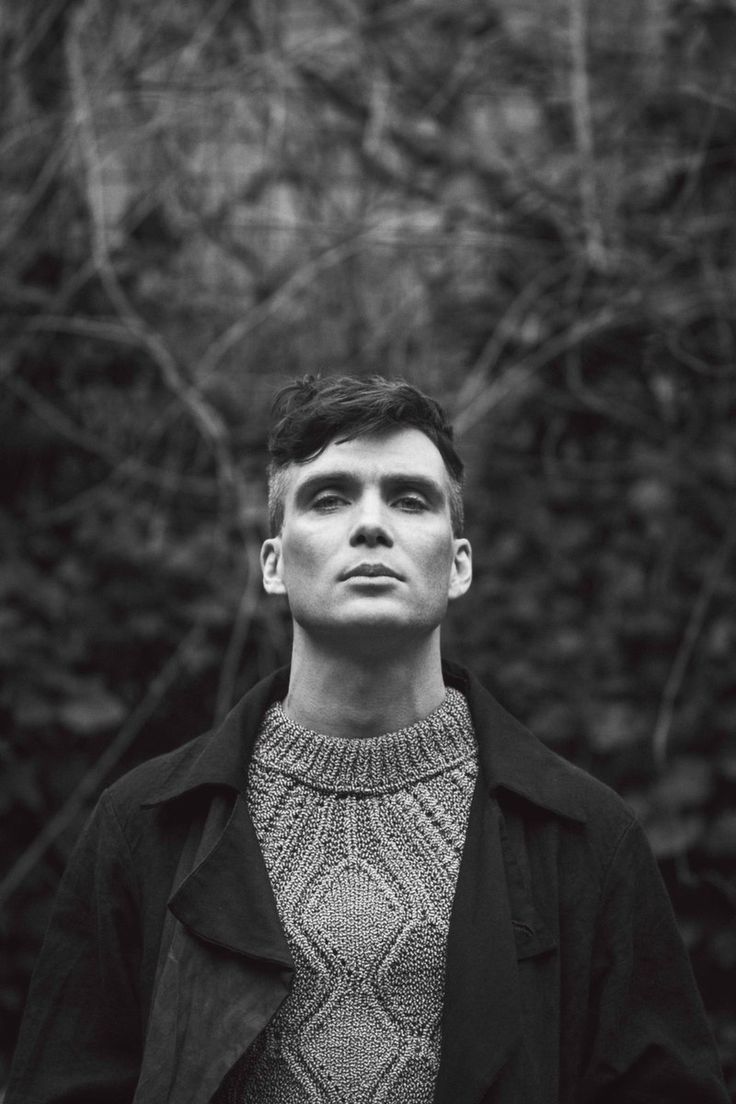
Cillian Murphy (Douglas-Cork, Ireland, 1976) 
Well, it is not my fault if Irish do it better... 
Murphy became quite famous playing the main role in 28 Days Later… (2002) by Danny Boyle and also thanks to his collaboration with Christopher Nolan (he is the Scarecrow of the Batman saga), but I personally thinks he delivered an astonishing performance as the transgender Patrick/Kitten in Breakfast on Pluto (2005) by Neil Jordan and as the republican rebel in The wind that shakes the Barley (2006) by Ken Loach. Besides the fact that anybody wants to seat near him in a plane due to his role in Red Eye (2005) by Wes Craven, Murphy is now waiting for THE great role he deserves in movies. Luckily enough, in these last two years he found a part worth his talent, the one of Thomas Shelby, the leader of a band of brothers in the magnificent TV series set in Birmingham around 1920: Peaky Blinders. I can’t wait to see the Season 3!

Noah Taylor (London, UK, 1969) 
Born in London but grown up in Australia, Taylor began his career there, playing in two remarkable movies: The year my voice broke (1987) by John Duigan and the part of pianist David Helfgott (young) in the Oscar winning Shine (1996) by Scott Hicks. Since then, he worked in a number of interesting movies: Almost Famous (2000) by Cameron Crowe, He died with a Felafel in his hand (2001) by Richard Lowenstein, Max ((2002) by Menno Meyjes, where he plays a young Adolf Hitler!, The Life Aquatic with Steve Zissou (2004) by Wes Anderson, The Proposition (2005) and Lawless (2012) by John Hillcoat and The Double (2013) by Richard Ayoade.
Recently, he had two small but remarkable roles in two great TV series: he played Locke in Game of Thrones and the superbly wicked Darby Sabini in Peaky Blinders. For music fans: he is in the video of Nick Cave’s song Fifteen feet of pure white snow (and he actually has a funny resemblance to the singer).
It’s a mystery to me why he is not as famous as he should be.

martedì 27 ottobre 2015

25 ans déjà!

Jacques Demy davanti al Passage Pommeraye, Nantes
Stamattina alla radio passava La Chanson de Maxence in un nuova versione. 
Che bello! - ho pensato: fuori c'è il sole e ascolto una canzone delle Demoiselles de Rochefort.
E’ stato solo qualche minuto più tardi che ho capito perché: oggi, 27 Ottobre, è l’anniversario della morte di Jacques Demy, che ci ha lasciato 25 anni fa, nel 1990.
Conosco pochi registi amati quanto Demy, qui in Francia.
E’ come se avesse operato nella mente di tutti, bambini e adulti, una specie di magia, in base alla quale è assolutamente impossibile dimenticarlo.
La magia è dovuta ad una manciata di film che hanno rivoluzionato la storia del cinema, con il loro carico di canzoni, colori, e un’allegria mista a malinconia alla quale è impossibile resistere:

Forse la particolarità di Demy è che le immagini dei suoi film ti si imprimono dentro, e poi non escono più, talmente forte è il loro impatto.
Impossibile per me vedere un garage senza che nella mia testa non scatti in automatico la musica dei Parapluies de Cherbourg

E’ l’effetto Demy. Non ci si può fare niente. Tanto vale smettere di lottare.
La settimana scorsa, mentre visitavo la mostra su Martin Scorsese alla Cinémathèque (a proposito, è bellissima, andateci appena potete), non potevo fare a meno di pensare che la più bella di tutte quelle che ho visto sino ad ora è stata proprio quella su Demy.
La serata inaugurale aveva dell'incredibile: con le ragazze all’ingresso che portavano i cappelli delle Demoiselles, lo champagne, Agnes Varda e tutta la sua famiglia, gli attori dei suoi film, la ricostruzione dei set cinematografici. 

Ne ho un ricordo indelebile, magico, appunto.  
Qualche giorno dopo, avevo partecipato ad un flash mob "Demoiselles de Rochefort" sul parvi dell’Hotel de Ville: centinaia di persone (di tutte le età) avevano imparato a memoria una coreografia da ballare tutti insieme sulla Chanson des Jumelles.
Una cosa tanto assurda quanto divertente e gioiosissima.
Uno di quei giorni in cui mi è sembrato evidente perché ho deciso di vivere qui, nonostante il brutto tempo, la vita che costa troppo cara e i musi lunghi dei parigini.
Finché c’è amore per Demy, c’è speranza.
Finché esiste il Demy-Monde, continuerò a viverci dentro. 
Evviva!

giovedì 15 ottobre 2015

Festa del Cinema di Roma

Dopo quello di Cannes, la vostra Zazie ci ha preso gusto, con i Festival.
E così domani, un po' è lavoro, un po' è svago e voglia di passare qualche giorno in compagnia di amici e di film, me ne vado in Italia per una nuova avventura, quella della FESTA DEL CINEMA DI ROMA.
Tutti i miei auguri ad Antonio Monda, che è il nuovo direttore artistico del Festival.
Io e Antonio in fatto di cinema abbiamo gusti opposti, lui sta a Francis Ford Coppola come io sto a Eric Rohmer, però nel 2009 mi ha fatto conoscere Jeremy Irons (per non parlare di tutti gli altri, l'elenco sarebbe troppo lungo...), e allora gli perdono qualsiasi cosa. 
Perché per me non è un uomo, è un Santo!
Daje, Antonio, vedrai che sarà bellissimo...

mercoledì 30 settembre 2015

Vergine Giurata

Last April in New York, at a friend’s place, I met the young Italian film-maker Laura Bispuri
Laura was in town presenting her first feature film, Vergine Giurata, at the Tribeca Film Festival (where the movie won the Nora Ephron Award). I couldn’t see it at that time because I was working but Laura promised me to let me know when the film would have been presented in France.
She kept her promise and a couple of weeks ago she invited me to the avant-première of Vierge Sous Serment, which is out today in Paris cinemas.

UGC Les Halles - Laura Bispuri and team from Vergine Giurata
Based upon the novel of Albanian writer Elvira Dones, the movie relates the story of Hana, an Albanian orphan girl who is adopted by a family already having a daughter of her age, Lila. Living in some remote mountains in the North of the country and wanting to escape to a life of housewife&motherhood in such a harsh environment, Hana decides to embrace the rules of the Kanun law: in the absence of sons, the daughter of a family can auto-proclame herself a man, renouncing to all female aspects of her life, including sex. This is how Hana becomes Mark. After many years of this life and after the death of her adopted father, Mark moves to Italy, where Lila lives together with her husband and daughter. The confrontation with this new country and Lila’s family destabilizes Mark’s profound certainties. Step by step, he re-discovers his real identity and a new way of being.
Lila (Flonja Kodheli) and Hana/Mark (Alba Rohrwacher)
This week in the blog I was complaining about Louis Garrel’s lack of courage for his first movie as director.
Well, this is a problem that Laura doesn’t have AT ALL: for her breakthrough on the big screen, she has opted for a very tough story, full of potential tricky issues that many famous film-makers would have been afraid to approach. I can’t say I know Laura well, but what it is clear, speaking to her even for few minutes, it’s how much she loves this story, how much she cares about it, how much she’s ready to do to defend her vision and her ideas. And this is so refreshing! And this is what I personally love in cinema and in people making a certain kind of cinema. 

Laura Bispuri
Gender is a very popular subject nowadays but it has been rarely treated with such a delicate and intimate approach as in this movie. The reasons why Hana becomes Mark are complicated and anchored to her difficult past, and her going back to her femininity is something so fragile and surprising, for her as well as for the audience, that it needed a form of austerity. This is why Bispuri’s mise-en-scène is particularly appropriate to tell this story. Her distance has nothing to do with coldness; her silent look has nothing to do with indifference. Her deep respect for the subject guides her in the most accomplished way, allowing her to avoid any form of sentimentalism or easy identification.
Hana/Mark (Alba Rohrwacher) and Bernhard (Lars Eidinger)
This amazing result is achieved, of course, also through the astonishing performance of Italian actress Alba Rohrwacher (for the role she has even learned the Albanese spoken only in those northern mountains!). She doesn’t show off at any time: she is simply inhabited by both man and woman, in the most measured and compelling way. And a special mention goes also to Flonja Kodheli as Lila and Lars Eidinger as Bernhard.
So, dear Parisian friends, if you want to see a very original and challenging first movie, made by a very talented Italian film-maker, get out, see the film and spread the word: let’s help good cinema to become popular. It's about time!


martedì 29 settembre 2015

City Lights

I have lovely friends.
Friends who know about my passion for cinema and they think about me when there are nice events related to it.
One of them invited me, last Sunday, to a very special projection at the Cité de la Musique here in Paris.
Yes, you read it right: apparently the place has nothing to do with cinema, but not always!
The other day, Timothy Brock, an American conductor and composer specialised in music for silent movies, was performing with the Orchestre Nationale de l’île de France the ciné-concert City Lights (1931) by Charlie Chaplin.
Musical Director of the Chaplin Estate since 1999, Brock has restored all the partitions composed by the film-maker. Because, in case you didn’t know, Chaplin not only has written, directed, produced, edited, interpreted almost all his movies, but he also composed the music for many of them… a real genius!

Conductor and composer Timothy Brock
City Lights is set during the Great Depression in Los Angeles: the sweet tramp Charlot is wondering around town when he bumped into a lovely (and blind) girl selling flowers at a street corner. Thanks to his erratic friendship with a very wealthy man, Charlot will be able to help her finding the money for the operation to have her sight back. Out of jail where he was put for a robbery he didn’t commit, he bumped again into the girl a long time afterwards: she can see, now, and she has a very beautiful flowers shop. And, most important of all, she didn’t forget the hands of the man who saved her… 

This was the first time I was seeing a silent movie with a full orchestra playing live on the images, but I sincerely hope it won’t be the last one.
It was absolutely amazing to watch the film and have the music at the same time, in the same room, and fully understand his fundamental contribution to the screening.
Emotion was coming out from the images in a more special way: it was the magic of cinema à l’état pur!
And I have to confess I forgot about how lovely this film was: so simple, so funny (the long sequence of the boxing race played like a ballet was so hilarious!) and so delightfully romantic.
You could feel how the audience was moved and totally absorbed by the experience: and many of the children present were enjoying the film in a way that was a real joy to witness.


At the end of the screening, the audience warmly clapped the orchestra and the conductor, while on screen appeared a picture of the great Charlie Chaplin:
I liked the experience so much that next Monday I’ll go to see Das Cabinet des Dr. Caligari (1920) by Robert Wiene: I’m sure it will be unmissable. 
Who wants to be scared in a completely new way?
I would like to thank Mario Giovanni Ingrassia for giving me the opportunity to discover such a wonderful thing, and my friend Gabriella for having shared the experience with me. Thank you, guys!

domenica 27 settembre 2015

Les Deux Amis

Più invecchio e più i film “carini” mi danno addosso. 
Quei film che non si può dire che siano brutti ma nemmeno che siano belli. Quei film che ti domandi perché mai un regista si dovrebbe sbattere per anni (perché fare cinema prende un sacco di tempo) per raccontare una storia così, una storia che in fin dei conti ti dimenticherai nei tre minuti netti che ci metterai a coprire la distanza tra la sedia su cui stai seduto e la porta di uscita del cinema.
Il più delle volte si tratta di cose già viste mille volte. 
Inquadrature che le vedi arrivare da lontano, con una minima quota di film in memoria. 
E non importa che ci siano poi delle cose interessanti, che gli attori siano bravi, o bravini, e che a volte si ride anche (perché commuoversi, no, quello mai, perché in film così l’emozione vera non esiste).
Ora, se sei un regista al tuo primo film, a me questa cosa sembra ancora più grave.
Perché uno nel primo film vuole buttare dentro tutto, sbranare, fare errori, sporcarsi: chissà se lo fa, infatti, il secondo film.
Forse il problema è che qui il regista sa di poterlo fare di sicuro, un altro film.
E lo sa perché di nome fa Louis e di cognome Garrel.

Attore bravo ma non eccelso, Garrel ha fatto fino ad ora una buona carriera, un po’ grazie ai film del padre Philippe, un po’ grazie a quelli di Valeria Bruni Tedeschi (che è stata sua compagna per diversi anni), ma soprattutto grazie a quelli di Christophe Honoré.
Dopo tre cortometraggi (ne ho visto solo uno e devo dire che non era male: Le Petit Tailleur), ha ora diretto il suo primo lungo, Les Deux Amis, presentato in una sezione collaterale all’ultimo Festival di Cannes e ora approdato sugli schermi parigini.
Scritto da lui e da Honoré, il film ha per protagonisti due amici: Abel e Vincent. Entrambi 30enni che lo sa il Signore come si mantengono, passano le loro giornate a cazzeggiare. Vincent un giorno si innamora di una ragazza che serve bibite e panini in un chioschetto della Gare du Nord. Disperato perché la ragazza, dopo un primo approccio positivo, non lo vuole più vedere, chiede consiglio all’amico, evidentemente più sgamato in fatto di donne e pure di cose del mondo in generale. Per convincere Mona a restare con Vincent, alla fine i tre si ritroveranno a passare del tempo tutti insieme. La ragazza nasconde un segreto che loro scopriranno solo alla fine del film (lo spettatore no, lo sa subito: Mona è in libertà vigilata e la sera deve rientrare in prigione, quindi sta facendo cazzate su cazzate a restare in giro con loro). Ovviamente: le cose si complicano, a Mona piace l'uomo sbagliato, l’equilibrio dello strano trio vacilla, l’amicizia tra i due uomini pure.

Ora, ditemi voi se questa storia, già solo io a scriverla e voi a leggerla, non vi sembra il più grande déjà-vu della storia del cinema. Ed è proprio questo, il problema: che ti immagini tutto, e che tutto si svolge esattamente come avevi immaginato. Senza sorprese, senza un briciolo di profondità sui personaggi, sulle loro vite, sulle loro ragioni. E il tocco, il tono che vorrebbe essere leggero, a me sembra solo superficiale. E non basta, vorrei dire al nostro caro Louis, mettere una citazione da Jules & Jim per salvarsi dal confronto: "Abel, questa no, Abel!"
Eh, appunto, questa proprio no, non ci voleva, Louis. E non basta mettere al centro di un caffé deserto una donna che balla (per quanto bella, sensuale e carismatica come Golshifteh Farahani) per ricreare la magia di Bande à Part, né fare un omaggio al babbo tuo facendo partecipare come comparse i tre protagonisti ad un film sul Maggio ’68 che sembra proprio essere Les Amants Reguliers (con un triplo carpiato, per altro, dato che il protagonista di quel film eri tu).
E non basta nemmeno farsi aiutare da Honoré a scrivere un film che sembra la brutta copia di un film di Honoré (che stia attento pure lui, che dopo quella stronzata galattica di Métamorphoses e la sceneggiatura di questo film ne ha parecchie, di cose da farsi perdonare) o dare la parte dell’amico a Vincent Macaigne, sapendo che si tratta di un bravo attore (sì, che però fa SEMPRE la parte dello svampitone simpatico e pacione e magari anche cambiare registro gli farebbe bene).
Tu, certo, niente da dire, Louis, con quella meravigliosa gueule de cinéma puoi stare sullo schermo all’infinito e noi non ci lamenteremmo mai, però pure tu uno sforzino per ampliare la tua palette di recitazione lo potresti fare.  

Louis Garrel nella scena finale di Les Amours Imaginaires di X. Dolan
Ma soprattutto, ed è questo che non ti perdono, non puoi pensare di fare un film à la Xavier Dolan. Perché lo so che non lo ammetteresti nemmento sotto tortura, ma era quello che stavi carcando disperatamente di fare. Senza riuscirci.
Il talento di Dolan ce l’hanno in pochissimi e, soprattutto, sono in pochissimi a fare dei film come i suoi, dove senti che quello che ha da dire o lo dice o muore, e per arrivarci non ha paura di niente: né di far scorrere fiumi di pellicola, né di essere sopra le righe, né di esagerare, né di buttarci sopra un quintale di trippe.
Che tu, evidentemente, non hai.
Ma provaci ancora, Louis, magari sarà proprio il secondo film a rivelare che un'anima, in fondo, ce l'hai anche tu.


mercoledì 23 settembre 2015

Youth

All’epoca de La Grande Bellezza, il mondo si divideva in due. 
Quelli a cui era piaciuto da morire e quelli che lo trovavano orribile. Non sembravano esserci mezze misure possibili. 
Io, che con le mezze misure non ci sono mai andata d’accordo, per una volta, con mia grande sorpresa, stavo nel mezzo. C’erano cose del film che mi avevano fatto impazzire e cose che invece non avevo potuto sopportare, e quel rollercoaster di su e giù, sommato alla lunghezza che a me risultava eccessiva, non mi avevano mai dato la possibilità di amare veramente il film.
E se non è vero amore, al cinema, che gusto c'è?

Mi sono quindi avvicinata a Youth, l'ultimo film di Paolo Sorrentino uscito da un paio di settimane qui in Francia, in maniera circospetta, spaventata all’idea di ritrovarmi in un turbinio di sensazioni contrastanti. 
E invece!
Fred Ballinger e Mick Boyle, due amici di vecchia data, hanno l’abitudine di trascorrere le loro vacanze estive in una spa svizzera per ricchi. Il primo è un direttore d’orchesta in pensione, il secondo un regista che continua a lavorare. Intorno a loro, una serie di personaggi che popolano la clinica: c’è la figlia-assistente di Fred che è appena stata lasciata dal marito (il figlio di Mick, per altro), ci sono i giovani sceneggiatori che aiutano Mick a scrivere il suo “film-testamento”, c’è il giovane attore americano che si prepara per il suo prossimo importante ruolo, c’è un famoso ex-calciatore (che è chiaramente Maradona) a cui manca il fiato ed è lì per curarsi, c’è una Miss Universo che ha vinto un soggiorno-premio, c’è un emissario della Regina Elisabetta che cerca di convincere in tutti i modi Fred a condurre un concerto per il compleanno della sovrana. I due amici osservano, interagiscono con gli altri, parlano tra di loro di vecchiaia, malattie, morte, ma anche di vita, amore e desiderio. Quando in albergo si presenta l’attrice principale dell’opera omnia di Mick per informarlo che non parteciperà più al suo film, l’equilibrio che sembrava tenere tutto insieme si mette pericolosamente a vacillare.
Se dovessi scegliere un solo aggettivo per descrivere Youth, penso che niente renderebbe meglio l’idea della parola (per altro adorabile) flamboyant.
I dialoghi, le idee, le sorprese, i volti, ogni cosa si sussegue e si allaccia all’altra, lasciando lo spettatore senza fiato, sommerso ma mai perduto, travolto dal riso (perché si ride tanto, vedendo questo film) e sul bordo del pianto (una commozione che nasce spesso da una cosa da poco, ma magnificata, intensificata allo spasimo). E’ questa armonia, per me, che mancava alla Grande Bellezza. Sorrentino sguazza nel “troppo” e se ne fa carico beato, mettendo la barra sempre più alta, fregandosene delle conseguenze (dell’amore). Butta dentro tutto e lo fa frullare ad un ritmo vorticoso, spargendo in giro pezzettini di meraviglia. Penso a delle figure minori e straordinarie come la ragazzina che fa i massaggi e balla davanti alla TV, o la prostituta bruttina, sfigata e tenerissima, o la stessa Jane Fonda, una parte brevissima che vale il film: il suo volto stravolto dal trucco, moderna Norma Desmond sul viale del tramonto, filmata in quello stupendo contro-campo tutto nero con solo le luci da cinema come se dietro la cinepresa ci fosse Robert Aldrich, a me personalmente hanno levato il fiato.

Così come mi ha levato il fiato, ma questo succede da tutta la vita, l’interpretazione di Michael Caine. Che dietro a quell’aria noncurante, da come-mi-viene-facile-fare-l’attore, nasconde una bravura feroce. E attraverso quell’ironia sottile e quella misura, riesce sempre ad arrivare al punto e ad essere credibile anche quando si mette a dirigere un concerto di campane da mucca. Accanto a lui, sembrano tutti dare il meglio: Harvey Keitel in un registro sobrio che gli si addice più di mille cattivi tenenti, Paul Dano che ormai chi lo ferma più, quello? E Rachel Weisz, più bella e più brava ad ogni film, se possibile. 
Se siete di quelli celebrari, di quelli che vogliono la trama a tutti i costi, gli angoli smussati, e nessuna sbavatura, allora vi sconsiglio di andare a vedere questo film. Qui è tutto uno strabordare, un andare oltre, un’esagerazione. E’ prendere o lasciare. O ci si lascia imbarcare, o tanto vale restare a casa.
Sarebbe un peccato, però, perché di viaggi così se ne vedono veramente pochi, sullo schermo.

martedì 15 settembre 2015

LIFE

In questi ultimi anni, i cosiddetti “biopic” si sono sprecati.
Dalla Regina d’Inghilterra a Nelson Mandela, moltissimi dei personaggi che hanno fatto la storia hanno avuto diritto ad una loro rappresentazione più o meno degna sul grande schermo.
In realtà, devo ammettere di non essere una grande appassionata del genere.
Per i miei gusti, questi film sono spesso troppo agiografici, didascalici, prevedibili, e più la figura è moralmente “alta”, più mi pare che la qualità del film tiri verso il basso.
Poi, però, ci sono le eccezioni. Perché è possibile parlare di un personaggio realmente esistito senza farlo apparire una macchietta, o privo di sfumature, o un eroe preso dal sacro furore dell'arte o di una buona causa qualsiasi.
Ultimamente, ad esempio, mi è capitato di vedere Love & Mercy di Bill Pohlad, il film su Brian Wilson, il cantante dei Beach Boys, che è un esempio molto interessante di biopic.
Se ve lo siete perso, vale proprio la pena di recuperarlo:

E poi, l’altra sera, ho visto Life di Anton Corbijn, e allora ho capito che si possono fare ottime cose, nel campo delle biografie.
Del resto Corbijn non è nuovo all'impresa: già nel 2007, con il film Control, biografia di Ian Curtis, il cantante dei Joy Division suicidatosi a soli 24 anni, aveva dimostrato di avere un gran talento per raccontare storie vere e tormentate. Il regista, fotografo di formazione, è al suo quarto lungometraggio, e si è fatto le ossa dirigendo video e film dedicati ad un alcuni importantissimi gruppi come gli U2 e i Depeche Mode. In Life, ha l'ardire di portare sullo schermo una figura mitica, quella dell'attore americano James Dean (del quale, il 30 Settembre, ricorrerà il 60° anniversario della morte).

James Dean fotografato da Dennis Stock nella sua camera di NY - 1955
La prima cosa originale del film, è il punto di vista che Corbijn adotta, e che non è - come si potrebbe pensare - quello di Dean, bensì del vero protagonista della storia: il fotografo Dennis Stock. Stock nel ‘55 è un fotografo di belle speranze, con velleità d’artista ma costretto a scattare foto alle star di Hollywood sui red carpet o alle feste dei produttori.
E’ proprio ad una di queste feste che incontra per caso James Dean, allora quasi sconosciuto. Un semplice attore che, notato in teatro a NY, è stato chiamato a LA per partecipare a Est of Eden di Elia Kazan. Quando i due uomini si incontrano, il film ancora non è uscito, e Dean è solo un nome che in pochi conoscono. Stock, tuttavia, “sente” che quel ragazzo sta per diventare famoso, e propone a Life, il magazine per cui lavora, un servizio fotografico con lui. Sarà difficile convincere sia il giornale che James Dean, ma alla fine la cosa andrà in porto. E dopo qualche scatto a NY, tra cui quello celeberrimo di Dean sotto la pioggia a Times Square, i due partono per l’Indiana, nella fattoria in cui Dean è cresciuto. Al loro ritorno in città, esce il film di Kazan e Dean scopre di essere stato scelto per Rebel without a Cause di Nicholas Ray, che lo consacra a simbolo di tutta una nuova generazione. 

Sei mesi dopo, morirà in un incidente stradale. E il resto - come si dice in questi casi - è storia.
James Dean (Dane Dehaan) e Dennis Stock (Robert Pattinson)
Quello che mi è sempre piaciuto dei film di Corbijn è che hanno tutti una vena malinconica fortissima, una specie di patina di tristezza che li avvolge, li smorza, li contiene, e li rende anche speciali. 
I protagonisti dei suoi film sono tutti essere umani un po’ disperati. Uomini che vivono uno scarto pesante rispetto alla realtà, che stanno un po’ ai margini della società, uomini ultra-sensibili che possono essere facilmente  feriti dagli altri e dal mondo. Era vero per Ian Curtis ma anche per il personaggio di George Clooney in The American (2010) e per quello di Philip Seymour Hoffman (nella sua dolentissima ultima interpretazione) in A most wanted man (2014):
Dennis Stock e James Dean non fanno eccezione, in questa galleria di uomini sull’orlo di una crisi di disperazione. Ed è proprio qui che sta la magia del film. Nessuno dei due è messo bene: Stock deve fare i conti con un matrimonio fallito, un pessimo rapporto con il figlio piccolo, una carriera che non decolla, un costante problema di soldi, Dean con un passato familiare doloroso, una carriera incerta, la sua incapacità di vivere secondo i dettami di Holywood (party, prime dei film, interviste “finte”, e tutto il politically correct del caso), un rapporto d’amore sacrificato al successo e, forse, la sua stessa vera sessualità.
Corbijn riesce a fare in modo che a parlare siano più i dubbi che le certezze, il dolore più che la felicità, gli uomini più che i personaggi famosi, ed è così che riesce a fare un vero film, non un semplice biopic.

Dean by Dean
Dean by Dehaan
Ma è nel cast, il tocco di genio di Corbijn.
Anziché affidare, come tutti si aspetterebbero, il ruolo del bello e dannato ad un attore famoso, pure lui un po’ bello e dannato versione 3.0 come Robert Pattinson (che, sia detto per inciso, in questi anni sta dimostrando quanto sia bravo e si sta costruendo una carriera di tutto rispetto, alla faccia di quelli che sono rimasti fermi a Twilight), che fa?
Fa fare a lui il fotografo in cerca di gloria e affida il ruolo di Dean ad un attore semi-sconosciuto ma dal talento portentoso (chiunque lo abbia visto nella stagione 3 di In Treatment sa di cosa parlo): Dane Dehaan.

James Dean (Dane Dehaan)
Il Dean di Dehaan (sì, suona buffo, lo ammetto) è un magnifico esempio di recitazione sotto le righe. 
E’ tutto uno stare in bilico, tutto un tormento interiore, e Dehaan sa esattamente fin dove può spingersi (come nella magistrale scena della cena sul treno).
E c’è una strana corrispondenza tra il momento che viveva Dean e quello che sta vivendo Dehaan. 

Alle soglie del successo entrambi. 
Speriamo solo che il secondo non ami andare troppo forte in macchina.

Related Posts Plugin for WordPress, Blogger...