martedì 22 febbraio 2011

127 Hours

I already wrote in this blog about the nice side effects of my real job (that has nothing to do with cinema, to tell you the truth). My favorite one, by far, is that I regularly receive the invitations to all the avant-premières held by Pathé in Paris. When they sent me (thanks, Véronique!) the one for Danny Boyle’s last movie, 127 Hours, I was particularly happy thinking about the main actor, Hollywood new rebel James Franco (and I hope none of you dear readers forgot about my amazing LA picture with him just few months ago). 
Usually, the actors and the director are attending the events to briefly introduce their movie. In this case, unfortunately, Franco didn’t show up, but Danny Boyle and one of the actresses, the Frenchy Clémence Poésy, where there, as you could see in the following picture (by courtesy of paparazzo Alexandre Pachiaudi, the friend who came with me to the theatre).
The rumours around 127 Hours have been going on for a while, in the cinema press. Not only because the movie has received 6 Oscar nominations (and among them Best Picture, Best Director, Best Actor) but also because it is based upon an incredible real story and a story that, at first sight, could be considered impossible to be transposed on screen. 
In April 2003, Aron Ralston, a young mountain climber, decides to spend a week-end in a remote and solitary canyons area in Utah. He doesn’t prevent anybody (nor his family neither his colleagues at work) about where he is heading to. This is why, when he found himself trapped at the bottom of a crevice with his right arm crashed by a boulder, he realizes to have few, if not none, chances to save himself. And yet, against all odds (no food, almost no water, no possibility of being heard and rescued by other trekkers), Aron will manage to survive.

Introducing the picture, Danny Boyle said something very interesting: he said that the real challenge, for him, was to make an action movie about a man who can’t actually move.
He was right. I mean, I’m sure every single person in the audience was thinking about the same thing: how can we stay here seated for 1 hour and 30 minutes watching a guy with his harm under a stone and not be bored to death? As far as I’m concerned, Boyle regally won his battle against boredom: this movie grabbed my total attention from beginning to end without a single moment of weariness. Why? Because the film maker had a lot of great ideas to get (himself and Aron) out of troubles. First idea: until the guy actually found himself at the bottom of the crevice, the rhythm of the movie is breathless. From the camera to the human beings movements, everything seems to go at a higher speed. No time to think, no time to seat comfortably in our seats. This guy is moving fast, going fast, talking fast, and nothing will stop him (well, except a stone). The first part of the movie is also the only part where the character interacts with other people, in particular with two girls who are a bit lost in the canyons and are helped by Aron. But in a way, the movie only really starts when he falls down and realizes to be stuck there (and it is not by chance that the title of the movie appears just at this very moment: 127 hours, the time we are about to spend in the company of Aron). That’s the tough part, for everybody: the character (and the actor), the director and the audience. Boyle brilliantly plays his cards. Firs of all, he puts us in the canyon with Aron. We are stuck there with him, and the only moments the camera leaves that black hole and shows us the magnificent nature all around, it is just to stress the extreme solitude, the hopelessness of the situation and the indifference of that same nature (and the world in general) towards this human life. The other trick is that Aron, in order not to give up and get mental, constantly thinks about his life, his past, his family. We are then able to know him better and to see what he imagines, always as we were him (the scenes are filmed in subjective camera). Another important element is that the guy, among the few things he can count on in that awful place, has a camera and this creates a bizarre effect of movie within a movie. Aron lives his different moods in front of it, bravely showing the emotional and physical rollercoaster he is going through. Almost cheerful at the beginning (he even reproduces a TV shows where he is the guest of honour, clapping included) and then desperate towards the end, when he thinks he will die and he decides to leave a farewell message to his family.
Boyle intelligently concentrates his attention on two material aspects of the movie, absolutely essential: the light (he has used two different cinematographers to create a more profound dichotomy between the canyon scenes and all the external ones), but especially the sound. Please pay attention at the way the film maker has used it. It is really amazing, reaching its climax in the most difficult scene (don’t worry, you’ll understand which scene I’m talking about if you see the picture). Incredibly enough, this is not an anguishing movie, but quite the opposite: it leaves you full of energy and almost euphoric, thinking about the hidden and prodigious resources a human being can have.
Of course, James Franco’s performance is outstanding and his nomination to the Oscar a must. But let me be honest: only 127 hours? With James, even a lifetime won’t be enough…

domenica 20 febbraio 2011

Zazie d'Or 2010

Forget about Oscars, Baftas, Golden Globes, Golden Lions, Golden Palms, Golden Bears, Césars, or any other Cinema award you can think of. The most prestigious and most exclusive one, the ZAZIE D'OR, is finally back, ready to let you know what was the very BEST of Cinema in 2010!  
Ladies and Gentlemen, the winners are...

The Zazie D'Or for BEST PICTURE 2010 est attribué à
LES AMOURS IMAGINAIRES by Xavier Dolan (Québec)
Why? Because I have adored everything about this movie: the plot, the actors, the way is filmed, the music, the costumes. It is intelligent, funny, visually astonishing, super well done and adorable. I cant' get enough of it. This movie casted a spell on me and I'm crazy about it! 

But... there was another movie that really enchanted me in 2010. A movie that probably is the antithesis of Dolan's one, but cinema is great also because we can love pictures that are incredibly different with the same passion and admiration. I have then decided to create a special award for it.
The SPECIAL ZAZIE D'OR 2010 est attribué à
DES HOMMES ET DES DIEUX by Xavier Beauvois (France)
Why? Because I have immensely loved how rigorously this movie shows us the (true) story of a group of religious men and the incredible decisions they have to make. The themes of faith, life, death, and the reasons why we are in this world, have been rarely shown on screen as powerfully as in this movie. Chapeau!

The Zazie d'Or for BEST DIRECTOR est attribué à

XAVIER DOLAN for LES AMOURS IMAGINAIRES (Québec)
Why? Because this guy is born to make movies. Can't you see it?
The Little Zazie D'or (BEST FIRST FEATURE FILM) est attribué à
PLAN B by Marco Berger (Argentina)
Why? Because Berger with his first movie reminds us that cinema can be made in the simplest possible way: two men, a room, and an interesting story to be told.
You don't need more than that to make great things happening!
And talking about this movie...
The Zazie D'Or for BEST ACTOR est attribué EX AEQUO à
LUCAS FERRARO and MANUEL VIGNAU 
for PLAN B by Marco Berger (Argentina)
Why? Because these actors have created two of the most endearing characters ever seen on screen. We want more real men like them!  


The Zazie d'Or for BEST ACTRESS est attribué à
YOON JUNG-HEE for POETRY by Lee Chang-dong (Korea)
Why? Because this korean actress (one of the most famous in her country) is simply extraordinary in the role of an old woman facing dramatic events, and because I think it has been a scandal she didn't receive any award at the last Cannes Film Festival. Shame on the jury.

The Zazie D'Or for BEST SCREENPLAY est attribué à
XAVIER DOLAN for LES AMOURS IMAGINAIRES (Québec)
Why? I have told you: I'm crazy about this movie.

The Zazie D'Or for the BEST CINEMATOGRAPHY est attribué à
GREIG FRASER for BRIGHT STAR by Jane Campion (UK/Australia)
Why? Because the light and the beauty of the images have a very important role in the final, amazing results of this great movie. 

The Zazie D'Or for BEST DOCUMENTARY 2010 est attribué à
LA BOCCA DEL LUPO by Pietro Marcello (Italy)
Why? Because once you see this movie, you will never forget it! 

The JEREMY IRONS PRIZE (Man of my life Award) for 2010 est attribué à
JAMES FRANCO (American Actor)
Why? You gotta be kidding me... are you really asking me WHY???
Private message to Mr. Franco: the only way to receive this prize is actually to knock at my door, James. So: the sooner, the better! Sincerely Yours, Zazie 

Zazie would like to thank Sergio "Saccingo" Tanara, the creator of the Zazie D'Or drawing. If you want to know more about Saccingo, please visit his sites:
http://www.iwantmyalky.com/ 
and http://www.atelierdellassenza.com

sabato 12 febbraio 2011

It's a MAD MEN world!

I never had in my whole life so many chances to hear interesting actors and film-makers talking in public about their work as in this 2011 (and we are just at the beginning of it!). Being not only a cinema buff but also a TV series freak, I was absolutely thrilled when I read that Matthew Weiner (Mad Men’s creator) was hosting a Master Class at the Forum des Images. I wrote down the date of the tickets sale with a BIG warning sign and I woke up very early one morning to buy it on line. I was right. When I recently stopped by at the Forum to pick up the ticket, they told me they were sold out in just 4 hours! 
Once at the theatre, I had a big surprise. Besides Mr. Weiner, two actors of the series were present: Christina Hendricks (the voluptuous office manager Joan Harris) and John Slattery (the irresistible Roger Sterling, one of the agency's partners), who both spoke briefly at the end of the event.  
Through the answers to the questions made by Olivier Joyard, journalist of the Inrockuptibles, Weiner retraced his career and the amazing history of the TV series that changed his (and many others) life. Weiner explained that after some cinema studies, he became one of the numerous unemployed screen writers in Los Angeles and he remained so for 5 long years (helped to survive by his wife, an architect). In 2000 he wrote the pilot of Mad Men and tried to sell it to some networks. David Chase from HBO, the creator and executive producer of The Sopranos, happened to read it and he was so impressed by the script that he immediately offered a job to Weiner. This is how he became a writer and producer for the last three seasons of the series. Quite well known after this job, Weiner tried again to have Mad Men produced by HBO or Showtime, but they both refused. Apparently, they were very scared by the fact that the series was a period drama. They didn’t believe audience could be interested to follow week after week the life of a bunch of guys from a Madison Avenue advertisement agency in the ‘60s. Plus, no film stars were involved in it. In the end, it was the small and inexperienced AMC who accepted to produce the show and ask Weiner a complete series of 13 episodes. He then called a group of people he has loved to work with on the Sopranos and… well, the rest is history. Listening to Weiner talking about all this, I suddenly realized that the most important thing you should have to succeed in the show business is stubbornness, and a good dose of self-confidence. Weiner doesn’t look like an easy kind of guy: he looks like a man who can be very upset if he doesn’t get exactly what he wants, the way he wants it. He probably must be very tough to work with. He is taking care of every single detail of Mad Men and he believes so much in his plot, his characters and his talent, that in the end he managed to have things exactly as he conceived them (including music and costumes). 
You can see, you can feel how proud he is of himself and of what he has achieved, you can even perceive a bit of revenge spirit in him, and who can possibly blame him? Mad Men, the series nobody wanted to produce, is now a world phenomenon, the TV show that has received more awards in TV history, the TV show that gave to all the actors involved (completely unknown at the time of the first season) the status of film stars, and to Weiner the status of genial writer. Weiner is so passionate and accurate about the story he wants to share with his audience, that the audience rewarded him. I think this is the secret of Mad Men’s universal success.  
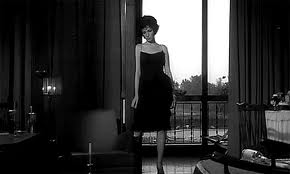
Weiner also talked about his references for the series, especially a bunch of European movies. Two were the titles he quoted: Les Bonnes Femmes by Claude Chabrol ("The interesting thing about this movie is that all these women's dreams… crashed, in the end, and I loved it!") and La notte by Michelangelo Antonioni (note of the blogger: this is also Zazie’s favourite Italian movie!): "I wanted to make an entire episode somehow based upon the movie, and showing images from it, but it was impossible to understand who had the rights and so I had to give up. But Draper go to see the movie at a certain point of the show!". I don't even want to imagine the episode he could have written about it... who's got the rights of La Notte, for heaven's sake? 
Les Bonnes Femmes by Claude Chabrol
La Notte by Michelangelo Antonioni
Weiner could have talked for hours about his job, I think nobody in the theatre would have complained about it. People went nuts when Ms. Hendricks and Mr. Slattery were asked to join the conversation, and we had the right to a nice chat about Weiner's relationship with actors and the importance of their contributions to the show. Funny note: Slattery's wife was in the audience too, and she is actually the actress who plays his first wife, Mona, in the show. Well, it's really a Mad Men world!
At the moment of the questions from the audience, a girl told Weiner: "You know, everybody is nostalgic about the ‘60s, but looking at the series and at the women’s conditions, I am actually happy of living in this time"
Yes, sure. But they were dressed so much better, honey!

sabato 5 febbraio 2011

A portrait of the blogger as a Jean Seberg clone

Carla Loves Photography: Paris Street Fashion

My dear readers,
Zazie has just received an amazing gift.

One of my best friends in the world, the incredibly talented Australian photographer Carla Coulson, who's got a very nice blog, has been kind enough to put a picture of me in her latest post called "Paris Street Fashion".
Well, if you had doubts about my love for Jean Seberg, A bout de Souffle and the Nouvelle Vague, this is the picture that will prove you wrong!
Unfortunately, pictures don't have a sound, otherwise you would have heard me screaming:
NEW YORK HERALD TRIBUNE!

giovedì 3 febbraio 2011

My name, is Michael Lonsdale

Mi arrendo all’evidenza: ho un debole per gli attori che di nome fanno Michael. Sulla scia dell’entusiasmo per la Master Class di Michael Caine, sono corsa a vedere un altro incontro con il pubblico (questa volta al Théâtre du Rond-Point, sugli Champs Elysées) di un attore straordinario, il franco-britannico Michael Lonsdale.
Non molto famoso in Italia, ma conosciuto ed amato dai Francesi, Lonsdale ha avuto quest’anno la sua consacrazione definitiva, grazie al ruolo di Padre Luc nel film di Xavier Beauvois Des Hommes et des Dieux, inaspettato campione d’incassi in Francia (oltre 3 milioni di spettatori) e catalizzatore di numerosi premi (Grand Prix du Jury al Festival di Cannes e ora grande favorito con 11 nominations ai Césars, gli Oscar à la Française, che si terranno a Parigi il 25 Febbraio).
Prossimo agli 80 anni, aria da gigante buono, lunga barba bianca, l'attore si presenta con la sua camminata lenta e strascicata sul palco del teatro, salutato da una vera e propria ovazione. Tutti i suoi fans si sono dati appuntamento qui. La serata, organizzata da Télérama, prevede una serie di domande da parte di una giornalista, ma la verità è che lui strega il pubblico con lunghi monologhi vivaci, senza alcun bisogno di un aiuto esterno. L’attore ripercorre la sua vita e la sua carriera, parla dell’infanzia vissuta in Marocco, con una madre francese e un padre inglese, parla del suo arrivo a Parigi nel 1947, della sua estrema timidezza e del suo desiderio di diventare un attore. Solo un grande sforzo di volontà gli permette di far sentire forte e chiara la sua voce, anziché bisbigliare come gli sarebbe più congeniale, o di esprimere sentimenti estremi come la rabbia (racconterà che un’insegnante dovrà minacciarlo di buttarlo fuori dal corso perché lui si metta a recitare un testo con violenza).
La carriera di Lonsdale, ricchissima e sterminata, inizia sulle scene negli anni ‘50, con una predilezione per autori come Beckett e Ionesco, e confluirà naturalmente nel cinema, dal quale l’attore è estremamente affascinato. Numerosi sono i grandi registi con i quali si trova a lavorare, sia francesi che internazionali (aiutato dal perfetto bilinguismo): Luis Bunuel, Orson Welles (Lonsdale racconta con stupore della telefonata ricevuta dal regista per proporgli una parte nel Processo tratto da Kafka), Joseph Losey, Louis Malle, Alain Resnais, Jacques Rivette, François Truffaut, Jean Eustache (dove riesce a far credere, grazie alla sua bravura, al bizzarro e sconcio racconto di Une sale histoire). Un rapporto molto importante sarà quello con Marguerite Duras, per la quale Lonsdale recita sia a teatro (L’Amante Anglaise) che al cinema (India Song) e alla quale lo legherà un’amicizia fraterna durata fino alla morte della scrittrice. La notorietà invece arriva con Truffaut, grazie a due ottimi ruoli di composizione (prima in La Mariée était en noir e poi in Baisers Volées) e, piuttosto incredibilmente, con la parte del cattivo in un film di 007, Moonraker, del 1979.
Negli ultimi anni, Lonsdale ha recitato in film di registi famosi e a grosso budget come James Ivory e Steven Spielberg e in film di giovani registi francesi alle prime armi e senza un soldo, dimostrando ancora una volta la sua estrema curiosità e la sua incredibile capacità di adattamento. Des Hommes et des Dieux, tuttavia, gli è sembrato subito qualcosa di speciale. E questo perché, anche se molto discretamente, Lonsdale non fa mistero della sua fede cristiana. Una parte come quella di Padre Luc, lo ammette, gli è sembrata una vera “benedizione” (e speriamo che la giuria dei Césars non si faccia sfuggire l’occasione di assegnargli il premio come miglior attore non protagonista, perché Lonsdale è semplicemente perfetto, nel film: misurato, intenso, commovente senza mai essere patetico, profondo senza mai essere pesante. Da Oscar, altro che da César!).
Lonsdale è cosi anche nella realtà: gentile, elegante, sempre sorridente, con quella capacità di prendersi in giro tipica degli umili e dei veri grandi. Il tempo in sua compagnia passa piacevolmente e velocissimamente.
Quando è il momento delle domande da parte del pubblico, l’attore desidera guardare in volto tutte le persone che gli stanno parlando e quindi chiede alla gente di sbracciarsi perché lui le possa inquadrare nonostante le luci accecanti del palco. Una signora prende il microfono per fargli una domanda. “E’ lei la signora che ho incontrato in autobus?” le chiede Lonsdale (e quanto ci sta simpatico il fatto che sia venuto alla serata in suo onore con i mezzi pubblici?). E la signora, un po’ piccata: “No, non sono io. Preferisce parlare con lei?”. “No, chère madame, continui pure. Io e la signora ci siamo già detti tutto in autobus!”.
 Il pubblico ride ed applaude, è un fascino autentico quello che sprigiona da questo vecchio signore. Qualcuno in pace con il mondo, e si vede, si sente, si percepisce.
"Gli attori non sono capaci di avere una vita normale. Sono persone incapaci di vivere il quotidiano, hanno bisogno di credere che ci sia qualcos’altro, sempre. Qualcuno ha detto che gli attori sono i testimoni dell’invisibile".

Quando Lonsdale si alza e si allontana, quel qualcos'altro, qualsiasi cosa sia, sembra proprio essere a portata di mano.


martedì 25 gennaio 2011

Life on Mars

I was having an apéro with a friend, tonight.
Kind of a new friend, who doesn't know much about my past life. We have in common this passion for TV series, and we talk endlessly about them (especially Mad Men). We usually see each other at the Bistrot à vins of the Cinéma des Cinéastes, one of my favourite cinemas in Paris. We were walking down the stairs after a couple of Macon Blanc when he stopped, looked at me and said: "You know, we (meaning he and his girlfriend) have tried to see this British series, Life on Mars, yesterday but... I don't know, there's something about it... I don't get it. I simply don't get it". For a moment, I stopped breathing. I looked puzzled at him. I couldn't speak. When I managed to talk again, I just said: "I love that series, it saved my life".

I know that, usually, when you say things like that people tend to think you are overdoing.
But I'm not. I bought the box set of Life on Mars - Season 1 on the saddest day of my entire life. When I bought it, I didn't know about it. And so, I always guessed that some weird cinema gods looked down at me on that particular day and made me buy it.
It was October 2007.
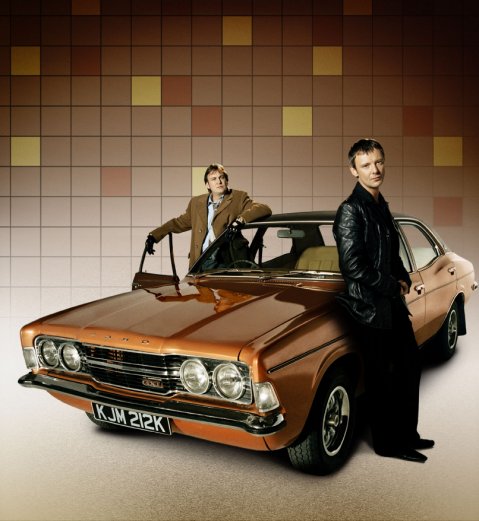
I had read few days before in a cinema magazine about this series. They mentioned the plot: Manchester cop who has a car accident on 2006, woke up in Manchester on 1973. I bought it, straight away, without even thinking twice. I have been raised at bread and British TV series, I didn't need any further detail to be convinced. The reason why it is called Life on Mars is that the cop in 2006 is listening to the Bowie song on his I-pod, while when he woke up in 1973, it is the hit single he could hear on his Ford Mustang radio.
If it wasn't for Life on Mars, that night, I would have probably walked slowly from Montmartre to the river Seine and drowned myself in some spectacular places near the Pont Neuf. But I dind't, because I started to watch Life on Mars and I wanted to see how it keeps going (and, plus, I knew there was a Season 2 to be seen!): I was already in love with John Simm character, with Philip Glemister character, with Manchester in the '70s, with the witty and intelligent dialogues, with everything.

After that night, I sometimes think about the other myself who is still somewhere there, on the bottom of the river. Like Ada MacGrath in The Piano by Jane Campion imagined herself at the end of the movie: the other self, the one that remained in the dark depth of the ocean. With all that silence around her.
Life on Mars brought me back to Life on Earth.
And this maybe finally gives an answer to the famous Bowie question: Is there Life on Mars?

Apparently yes, there is.
At least for me.


domenica 16 gennaio 2011

Deux de la Vague

Tanti anni fa, la vostra Zazie ha seguito un corso di storia del cinema francese al Centre Galliera di Genova.
Era un corso molto interessante, tenuto da una simpatica maestra. Arrivata alla lezione sulla Nouvelle Vague, la maestra mi ha guardato e ha detto: "
Ecco, questa la fai tu. Io non me la sento, con te in classe".
La breve premessa per farvi capire cosa possa significare, per me, andare a vedere un documentario sul rapporto di amicizia (finito male) tra
François Truffaut e Jean-Luc Godard, considerati i due esponenti di punta del movimento cinematografico che più di ogni altro ha rivoluzionato il modo di fare cinema, non solo in Francia ma nel mondo. Significa, più o meno, sentirsi a casa.
E' quello che mi è accaduto ieri all'Espace Saint Michel vedendo scorrere le immagini del documentario Deux de la Vague, di Emmanuel Laurent e Antoine De Baecque. Quest'ultimo è anche l'autore delle biografie più esaustive mai scritte su entrambi i registi (quella su Truffaut è uscita nel 1996, comunemente detta "La Bibbia" a casa mia, quella su Godard è uscita nel 2010). Insomma la vicenda è giustamente raccontata da uno che sapeva due o tre cose di loro, e si vede. Truffaut e Godard non potrebbero avere storie più diverse: il primo proviene da una famiglia povera (figlio non voluto e non amato) e interrompe gli studi giovanissimo, il secondo fa parte di un’agiata famiglia svizzera, e frequenta scuole prestigiose. Ad accomunarli, sarà la passione cinefila. Si incontrano negli anni ’40 in un cineclub fondato da Eric Rohmer nel Quartiere Latino, e trascorrono letteralmente tutte le loro giornate al cinema, o per meglio dire alla Cinémathèque gestita da Henri Langlois. Dalle sale oscure alla critica cinematografica il passo è breve: entrambi si ritrovano negli anni ’50 a far parte della redazione dei Cahiers du Cinéma, insieme al resto della banda dei “Giovani Turchi”: Chabrol, Rivette, Rohmer, Resnais ecc. Truffaut diventa famoso per i suoi attacchi virulenti contro il cinema francese dell’epoca. Si fa odiare talmente tanto che gli organizzatori del Festival di Cannes del 1958 gli impediscono l’ingresso alle proiezioni. L’anno successivo, tuttavia, Truffaut trova il modo di “vendicarsi”: al Festival di Cannes ci va, ma come regista. Les 400 Coups vince il premio per la miglior regia e il giovane Jean-Pierre Léaud, protagonista assoluto del film, viene letteralmente portato in trionfo. E’ il segnale di partenza: tutti i critici dei Cahiers si mettono dietro la macchina da presa e iniziano a sfornare i loro primi film. E’ anche la nascita ufficiale della Nouvelle Vague. Godard, che vuole passare al lungometraggio, chiede una mano a Truffaut sia per trovare una buona storia che per trovare un produttore. Truffaut gli passa un soggetto scritto poco tempo prima su un fatto di cronaca che lo aveva affascinato e poi, insieme a Chabrol, si fa garante per l’amico nei confronti del produttore De Beauregard. E’ così che vede la luce quel capolavoro intramontabile di A bout de Souffle. Da quel momento in poi, i due amici seguiranno con affetto le loro rispettive carriere, aiutandosi a vicenda nei momenti del bisogno. Nel 1967, Truffaut co-produce il film di Godard Deux ou trois choses que je sais d’elle, e contemporaneamente scrive un articolo per i Cahiers du Cinéma nel quale definisce Godard “il più grande regista del mondo”, ricoprendolo di elogi. Gli amici saranno di nuovo fianco a fianco l’anno successivo, per il cosiddetto Affaire Henri Langlois. L’allora Ministro della Cultura André Malraux decide di sollevare Langlois dal suo incarico di direttore della Cinémathèque e tutti i registi della Nouvelle Vague, praticamente cresciuti in quei locali, organizzano manifestazioni di protesta (vincendo la loro battaglia, perché Langlois riavrà il suo posto). Nel maggio 1968, eccoli al Festival di Cannes, dove decideranno insieme ad altri registi di dichiarare chiusa la rassegna in segno di solidarietà nei confronti di studenti e operai che manifestano ovunque in Francia. Ma è l’inizio della fine. Godard da questo punto in poi cambierà tutto: vita, amici, e persino il tipo di cinema che fa. La politica spazza via tutto il resto. Per Truffaut, la politica è quanto di più lontano ci possa essere dal suo mondo e, di sicuro, non ha nessuna voglia di cambiare il tipo di storie che ama raccontare al cinema. La frattura si fa sempre più insanabile, ma scoppia nel momento in cui esce La Nuit Américaine di Truffaut nel 1973. Godard odia il film e scrive una lunga lettera di insulti a Truffaut, includendo nella missiva una lettera per Jean-Pierre Léaud, attore che in tutti quegli anni si è diviso tra i due registi (e che ora i registi sembrano contendersi, un po’ come farebbe una coppia che si sta separando con il proprio figlio). Truffaut gli risponde con una lettera (tanto famosa quanto meravigliosa) di 20 pagine che ben si riassume in una delle sue prime frasi: Jean-Luc, penso che sia venuto il momento di dirti, lungamente, che ti comporti come una merda. Truffaut gli restituisce anche la lettera che ha scritto a Léaud: l’ho letta e l’ho trovata disgustosa, non la consegnerò mai a Jean-Pierre. L’amicizia è finita per sempre. I due non si vedranno mai più. Neppure quando Truffaut sta morendo in ospedale di un cancro al cervello a soli 52 anni, nel 1984.
Deux de la Vague ripercorre e riassume tutto questo nella giusta maniera. Non è un documentario bouleversant, ma è un ottimo e preciso lavoro di ricostruzione. Un po’ inutili le immagini dell’attrice Isild Le Besco che vaga per Parigi, sta seduta in un cinema o sfoglia in silenzio i giornali d’epoca. Non toglie e non aggiunge nulla. Ho apprezzato invece che il film cerchi di raccontare in maniera obiettiva lo svolgimento dei fatti, senza stare dalla parte di uno o dell’altro. Certo, fornisce tutti gli elementi per formarsi un’opinione in merito ai due registi. Sul loro cinema, ciascuno potrà pensarla come vuole. Dal punto di vista umano, invece, a me pare che di dubbi non ce ne siano. Ma, lo ammetto, su questo non sono la regina dell'obiettività.
Abito di fianco al Cimitero di Montmartre.
Do you know what I mean?


giovedì 13 gennaio 2011

The Cinema of Mike Leigh

Do you remember when I wrote that there are film makers able to change your life?
British director Mike Leigh is one of those, for Zazie.
There are no directors as Leigh capable of making you feel unsettled. 

He has this incredible capacity to touch the most vulnerable parts of you: to show the weakness, the stupid vanity, the misery, the unhappiness, the complexity of human minds and souls. And yet, he does that with such compassion, that you also feel accepted and loved, besides all your flaws. Leigh’s movies are cathartic, deep, witty and tragic at the same time. In many cases, they also are, as far as I am concerned, simple masterpieces.
Since his debut in the early ’70s at the BBC, Leigh showed his skills to reflect the absurdity and ridiculousness of modern society with a merciless sense of humour and a love/fascination for real losers. Did you like the cruelty of
The Office (British version, of course)?, then you will be crazy about his Abigail’s Party, where a middle-class couple sets up at their place a fancy apéro for few friends. 

A jewel! 
Leigh’s first feature film, Bleak Moments (and believe me, you got exactly what the title promises you), is dated 1971 and it has been followed by a bunch of great movies such as Hard Labour, Meantime, High Hopes, Life is Sweet
In 1993, Leigh wrote and directed one of the best films of the ‘90s, the tough and gloomy Naked, for which he won a prize at the Cannes Film Festival as Best Director. 
The Palme D’or arrived in 1996, thanks to the MAGNIFICENT Secrets and Lies (the story of a young black woman who, once her adoptive parents are dead, goes in search of her real mother) and the Golden Lion in 2004 thanks to Vera Drake (the story of a woman practising abortions in the London of the early ‘50s).
Naked
Secrets and Lies
Vera Drake
Leigh is famous for his particular way of working, especially with actors. 
Once the cast of a movie is done, he starts rehearsal few months in advance and then, at the moment of filming, the shooting is very quick, because actors are so much into their characters that they don’t need any further indication. Leigh’s method proved him right, because the performances of his actors are always outstanding and they are regularly covered with prizes. The other interesting thing is that he tends to always use the same people. You can even find on internet a chart with all the recurrent names in Leigh’s movies. Among the most “familiar” ones, there are Alison Steadman (who’s been Leigh’s wife for almost 30 years), Peter Wight, Ruth Sheen, Lesley Manville, Jim Broadbent, Phil Davis, Timothy Spall, Brenda Blethyn, Imelda Staunton, David Thewlis and the late Katrin Cartlidge (I miss her so much!):
The other day I went to see Leigh’s last movie, Another Year, and, once again, I was puzzled by his capacity of showing the ups and downs (especially the downs, actually) of human life. Tom and Gerri (yes, that’s funny), a middle-aged couple, have their own routine: to work, to take care of their little garden, to see once in a while their only child Joe and to have dinner with few friends. Tom and Gerry look genuinely happy. Two very lucky people: lucky to have found each other, to have nice jobs, a common passion for gardening and a lovely son (who has just introduced them his nice girlfriend). You can’t say the same about their friends Mary, a middle-aged single woman with a collection of bad love affairs and a serious alcoholism problem, or Ken, who’s facing exactly the same difficulties. Seasons pass but things don’t change, and once winter arrives, Mary’s condition looks more desperate than ever.
Quintessentially Leigh-esque, Another Year is a new great example of his humanity: Mary and Ken can be so unbearable, so hopeless, that you can easily decide to hate them, but if you allow yourself to get close to them (because this is the scary thing about Leigh's movies: you constantly think that that man/woman can actually be you), you will realize how much you feel for them. The Winter chapter is perfect in its simplicity: even the way Leigh is filming, with that cold and grey light, with the characters ready to surrender to their faith, to the cruelty of life.
High Hopes are gone, and we are left just with the Bleak Moments.
But, at least, we are not alone in this world.


Related Posts Plugin for WordPress, Blogger...